
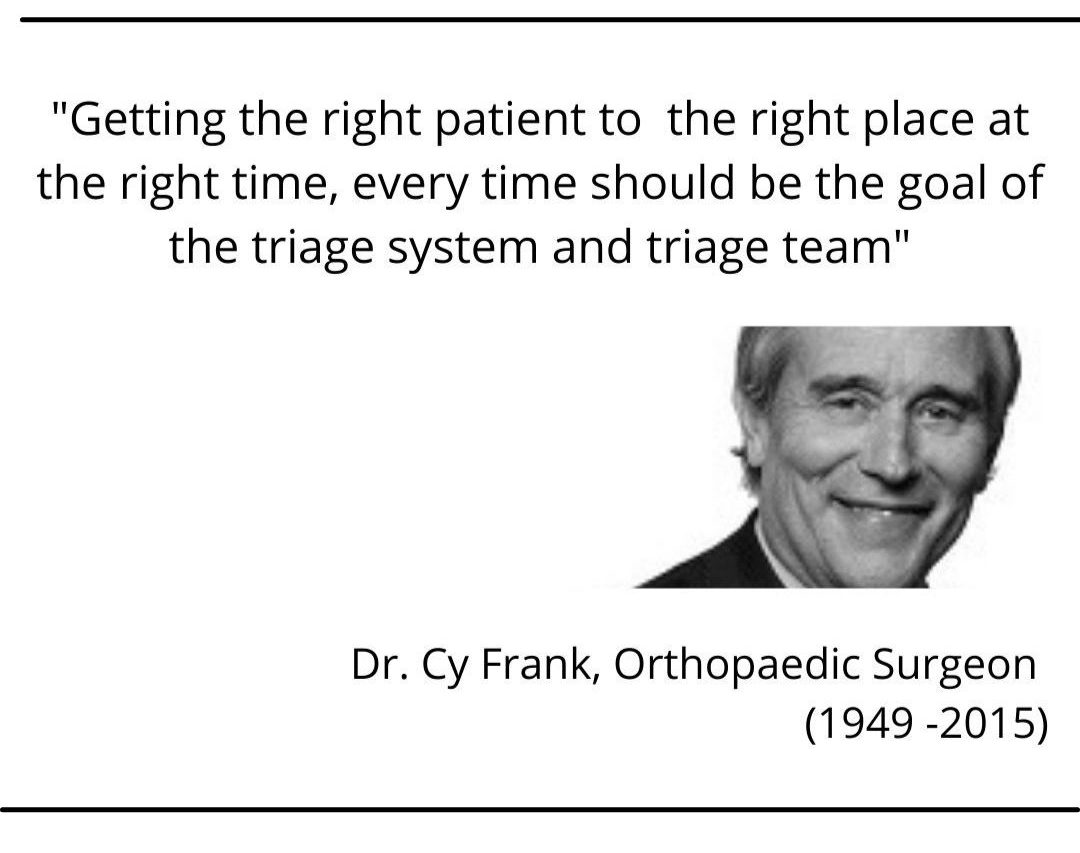
Understanding Orthopaedic Triage: A Crucial Step in Patient Care
Orthopaedic triage is a critical process in healthcare that ensures patients with musculoskeletal issues receive the appropriate care at the right time. This initial assessment phase involves prioritizing patients based on the severity of their conditions, enabling healthcare providers to allocate resources effectively and manage patient flow efficiently.
By efficiently categorizing patients, orthopaedic triage plays a pivotal role in delivering targeted care, enhancing patient safety, and maintaining the overall efficiency of healthcare systems.
Experienced physiotherapists working in emergency departments help reduce wait times by taking on specific cases that don’t require a doctor’s direct intervention, speeding up assessment, treatment, and discharge.
Here’s how:
1. Managing Minor Musculoskeletal Injuries
Emergency Physiotherapists assess and treat common issues like:
-
Sprains and strains
-
Minor fractures
-
Back or neck pain Click here to learn more about back and neck pain
By handling these cases independently (within their scope), they free up doctors and nurses for more critical patients.

2. Fast-Tracking Discharge
Physiotherapists can:
-
Provide immediate treatment plans (e.g., exercises, mobility aids)
-
Educate patients on self-care
-
Safely discharge patients without needing further medical intervention
This prevents unnecessary hospital admissions and long ED stays.
3. Early Mobilization
For patients who are admitted, emergency physios:
-
Help get people moving sooner after injury or surgery
-
Reduce the risk of complications (like blood clots or bedsores)
-
Help determine whether patients can go home safely
This shortens the inpatient stay and opens up beds more quickly.
4. Streamlining Care Pathways
By being embedded in the ED team, they:
-
Improve triage decisions
-
Speed up diagnostics by identifying whether imaging or referrals are needed
-
Coordinate follow-up with outpatient rehab or community services
5. Reducing Repeat Visits
Proper assessment and patient education reduce the chance of a patient returning to the ED for the same issue.
Bottom line: Emergency physiotherapists cut through bottlenecks by handling specific cases efficiently, reducing unnecessary admissions, and accelerating care—all of which help drive down ED wait times.
To learn more, about how emergency physiotherapists triage patients in the ED, please visit Orthopaedic Triage.com